
How to Save More Energy with a Tankless Water Heater
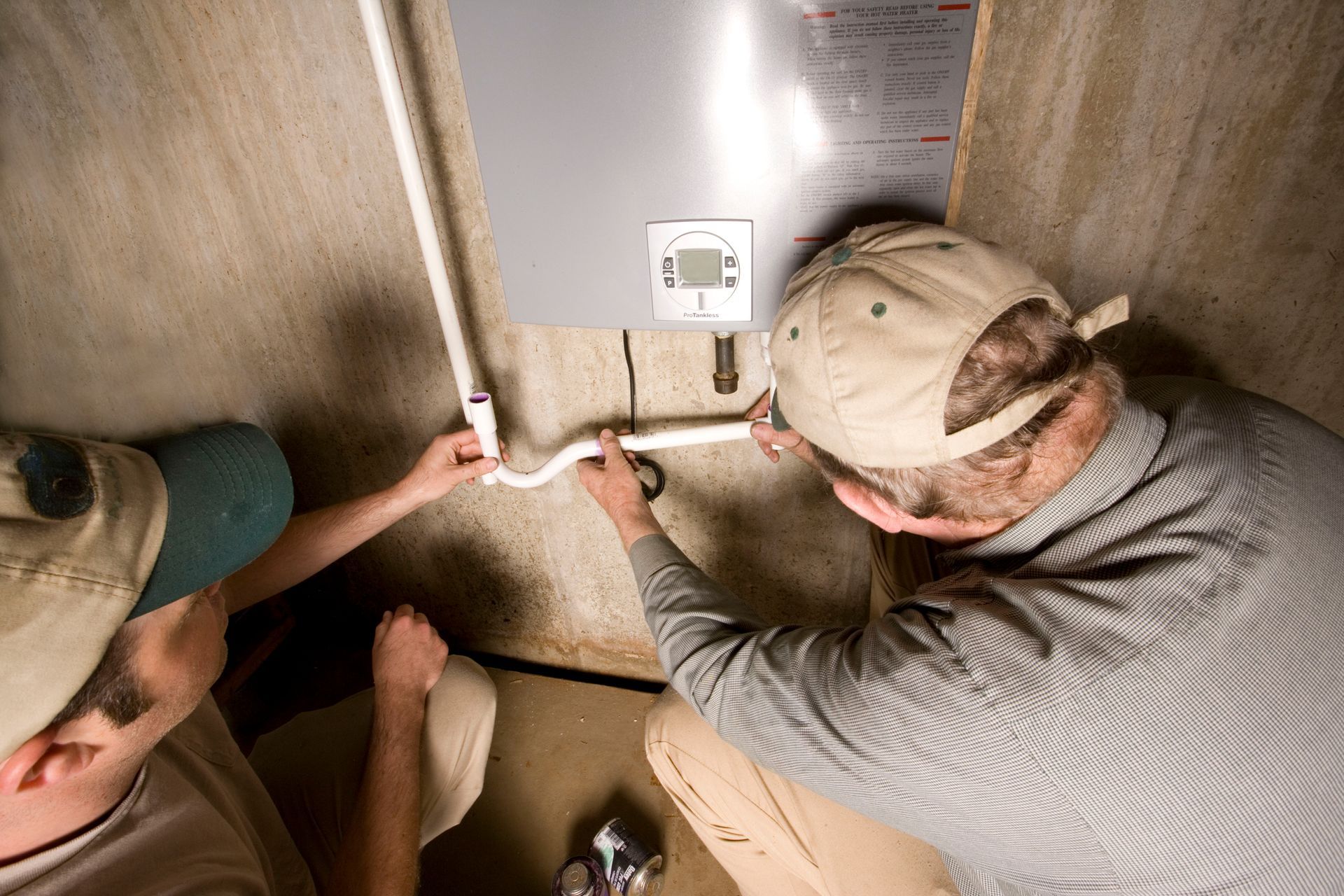
Traditional methods of heating water for our daily routines have long relied on keeping large volumes of water consistently hot, day and night, regardless of whether anyone is actually turning on a faucet. This continuous heating cycle consumes a significant amount of electricity or gas, slowly draining resources while families sleep or go to work. However, the advancement of modern plumbing technology has introduced a much more logical approach to managing our domestic water supply. Instead of wasting energy maintaining a standby reservoir, modern technology focuses on heating water strictly on demand. Making the switch to this advanced technology is a highly effective strategy for households looking to shrink their carbon footprint and reduce their overall energy consumption. Transitioning away from bulky, outdated systems requires careful planning, but the long-term environmental and efficiency benefits are truly substantial. Executing a proper tankless water heater install transforms the way a residence functions, delivering an endless stream of hot water exactly when it is needed.
Eliminating the Standby Energy Loss
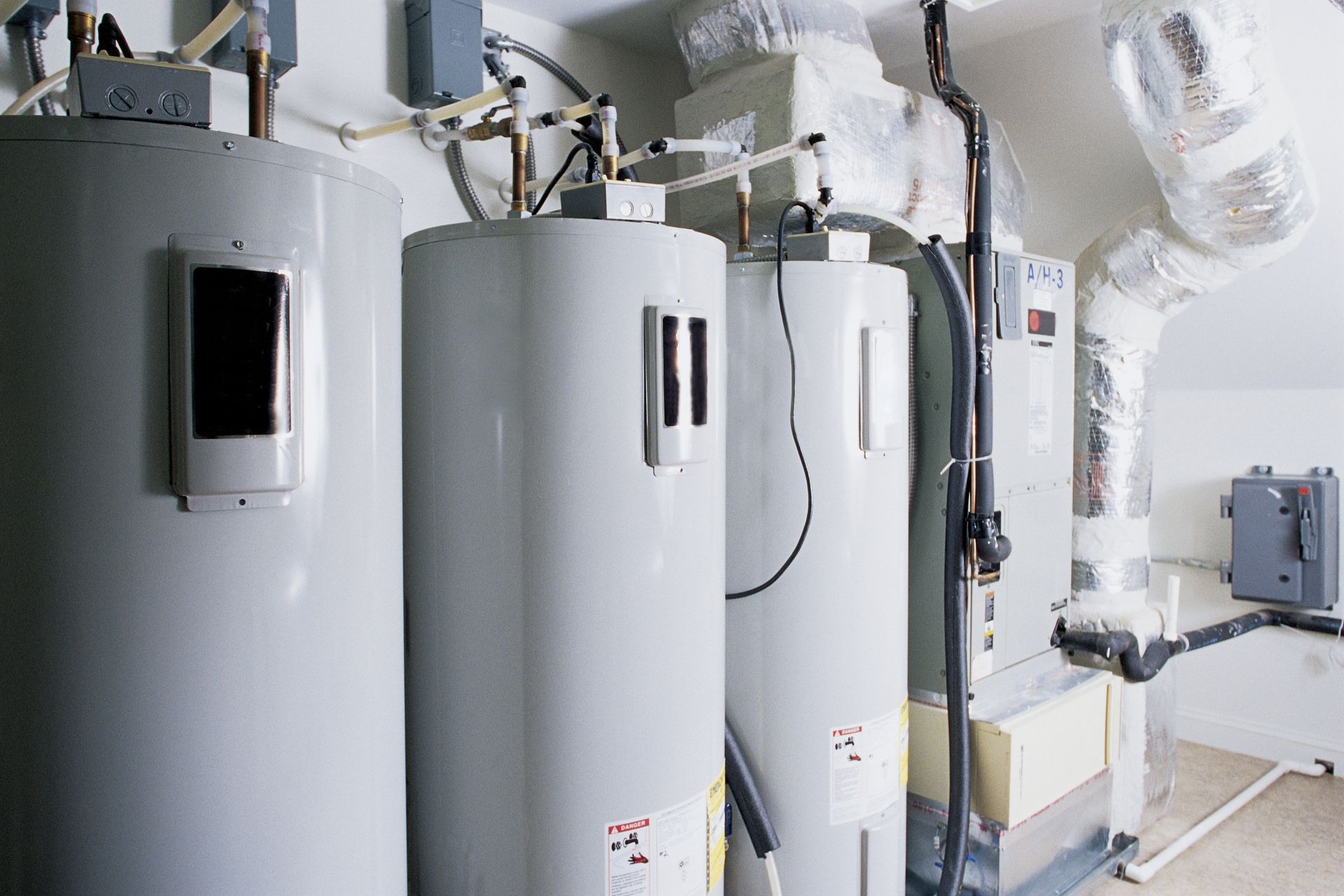
The primary reason traditional storage systems consume so much excess energy is a phenomenon known as standby loss. When a large tank of water is kept heated around the clock, the heat inevitably escapes through the walls of the tank and into the surrounding air, especially if the unit is located in a cool basement or garage. To compensate for this constant heat dissipation, the system must continuously turn on and off, burning fuel or using electricity simply to maintain the baseline temperature. This relentless cycle occurs even when the house is empty. Bypassing this constant reheating process is the most significant advantage of moving to an on-demand system. Because these units only ignite when a hot water tap is physically opened, there is absolutely no stored water losing heat to the environment. According to Forbes, a modern on-demand unit is 24% to 34% more energy-efficient than traditional storage tank water heaters. This immense reduction in wasted energy makes a massive difference in the overall resource consumption of a household. When you commit to a professional tankless water heater install, you are permanently eliminating the inherent inefficiency of standby loss and ensuring that you only use energy when you actually require hot water.
Choosing the Right Unit Size
To truly maximize the efficiency of your new system, selecting the appropriately sized unit is an absolutely critical step. Unlike traditional tanks that are measured by their total volume capacity in gallons, on-demand systems are measured by their flow rate, which dictates how many gallons of hot water they can produce per minute. If a unit is too small for a household, it will struggle to keep up with simultaneous demands, such as running a dishwasher while someone is taking a shower. Conversely, an oversized unit might draw more power than necessary, slightly diminishing the expected efficiency gains. Evaluating your peak water usage requires looking at the flow rates of your specific fixtures and determining how many might run concurrently. This is why consulting with experts before a tankless water heater install is so important. Professionals evaluate the unique demands of your household and the temperature of the incoming groundwater to recommend a system that perfectly balances robust performance with absolute maximum energy conservation.
Maintaining the Internal Components
Even the most advanced technology requires routine upkeep to continue operating at peak efficiency over its lifespan. For on-demand water heating systems, the primary maintenance concern is the accumulation of mineral scale inside the heat exchanger. As water is rapidly heated, minerals like calcium and magnesium naturally separate and cling to the internal heating elements. Over time, this scaly buildup acts as an insulator, making it much harder for the system to transfer heat to the passing water. Consequently, the unit has to work harder and consume more energy to achieve the desired output temperature. Regular descaling is a vital maintenance task that involves flushing the system with a specialized solution to dissolve and remove these stubborn mineral deposits. By keeping the heat exchanger completely clean and free of scale, you ensure that the system maintains its rapid heat transfer capabilities. When you invest in a tankless water heater install, establishing a regular schedule for this flushing procedure is essential for protecting your investment. Consistent maintenance not only prevents unnecessary energy drain but also significantly prolongs the operational life of the unit, ensuring decades of highly efficient performance.
Insulating the Surrounding Pipework
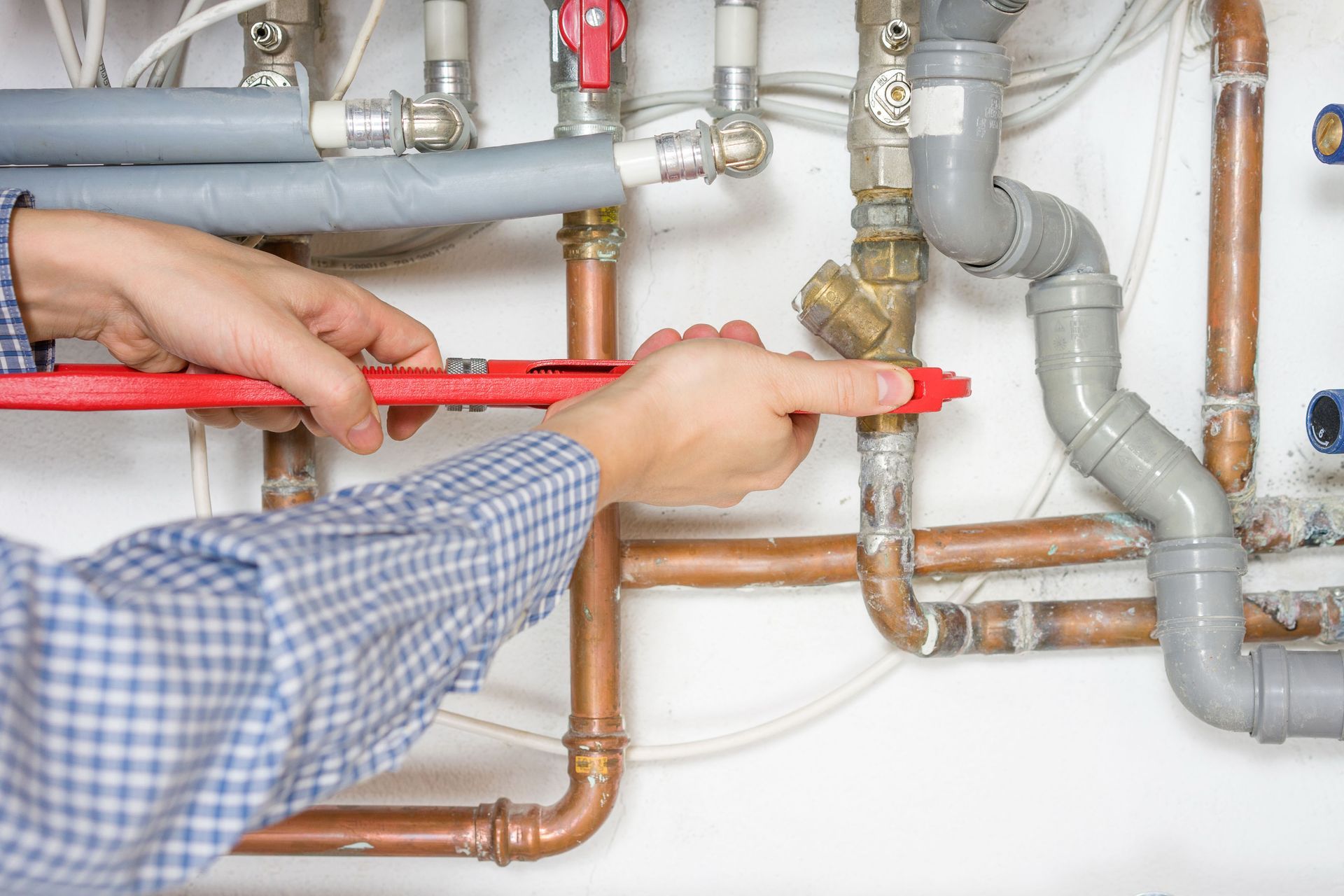
While the unit itself is designed to be highly efficient, the delivery system carrying the hot water throughout your home also plays a vital role in overall energy conservation. As hot water travels from the heating source to the designated faucet, it naturally loses heat to the ambient air surrounding the pipes. If the pipes run through unconditioned spaces like crawlspaces or exterior walls, this heat loss can be quite substantial. To compensate for the cooler water arriving at the tap, users often turn the handle further toward the hot side, demanding more effort from the heating unit. Adding high-quality thermal insulation to the hot water pipes drastically slows down this heat transfer. Insulated pipes keep the water warmer as it travels, meaning the water arrives at the tap closer to the intended temperature. This simple addition complements the efficiency of your primary system perfectly. Integrating pipe insulation during a comprehensive tankless water heater install is a highly recommended practice. By securing the thermal integrity of the entire distribution network, you guarantee that the energy utilized to heat the water is not wasted during transit, maximizing your overall domestic efficiency.
Upgrading the Household Fixtures
Another effective method for amplifying the energy-saving potential of your new water heating system is to pair it with low-flow plumbing fixtures. Showers and faucets are the primary points of consumption, and older fixtures often release water at a much higher volume than necessary. When you use less water, the heating unit does not have to work as hard or run as long to fulfill the demand. Low-flow showerheads and aerated faucets cleverly mix air into the water stream, maintaining strong water pressure while significantly reducing the actual volume of water being dispensed. This reduction directly translates to less energy required for heating. Upgrading these simple fixtures throughout your bathrooms and kitchen creates a compounding effect on your household efficiency. The combination of modern fixtures and an on-demand heating system represents the pinnacle of resource conservation. Planning to swap out outdated showerheads and aerators at the same time as your tankless water heater install ensures that your entire home is optimized for maximum efficiency from the very beginning. This holistic approach to water management drastically reduces your environmental impact while also providing a superior, reliable domestic water experience.
Transitioning to modern water heating technology is a powerful step toward creating a more sustainable and resource-conscious household. By eliminating the constant energy drain of keeping a massive tank of water hot all day, you gain complete control over your domestic consumption. Careful planning, sizing the unit correctly, and committing to routine maintenance ensure that the system operates flawlessly for years to come. Enhancing the setup with pipe insulation and low-flow fixtures further solidifies your commitment to maximizing efficiency and reducing waste. Adopting these advanced systems elevates the comfort of your home while actively supporting broader environmental conservation efforts. The long-term benefits of endless hot water and drastically reduced energy usage make this upgrade an incredibly wise choice for any modern property owner. If you are ready for a professional tankless water heater install, contact us at Johnny's Plumbing & Hydronics today. We will help you optimize your home for peak efficiency and endless comfort.
Share On: